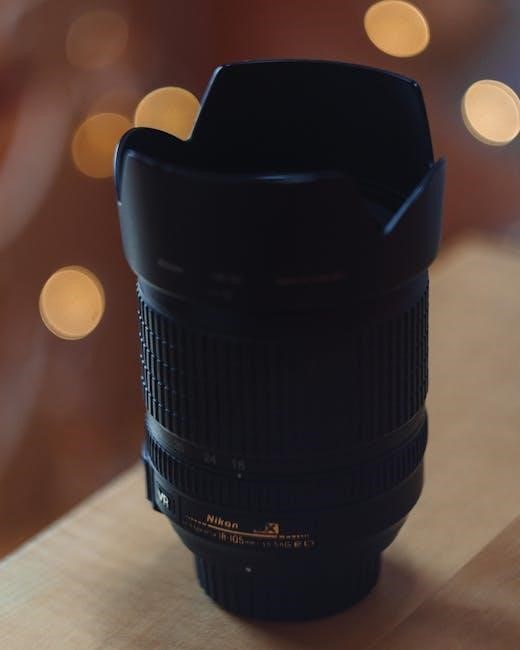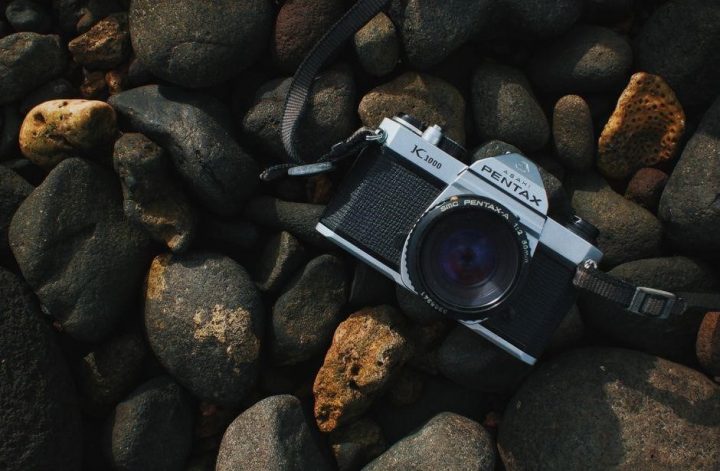
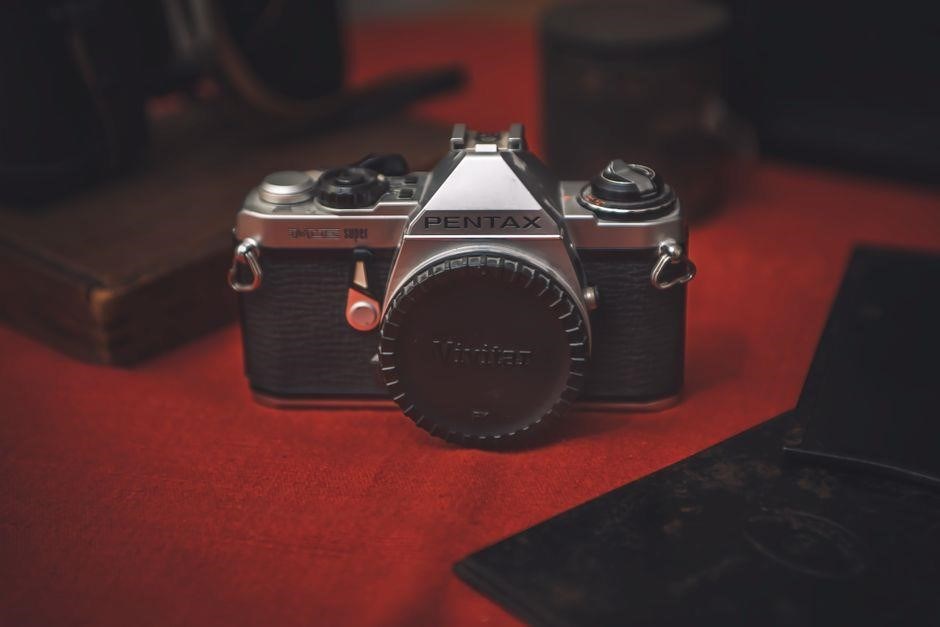
The Pentax ME Super offers a robust‚ manual 35mm SLR experience. Its classic design blends durable with simplicity‚ making it ideal for enthusiasts who value tactile control. With precise shutter and aperture adjustments‚ the camera delivers reliable performance across diverse shooting conditions.
Camera Overview
The Pentax ME Super delivers a timeless manual shooting experience. Its robust metal body and intuitive controls make it a favorite among film enthusiasts; With precise shutter speeds and a wide aperture range‚ it excels in low light and creative depth of field daily now
Physical Build
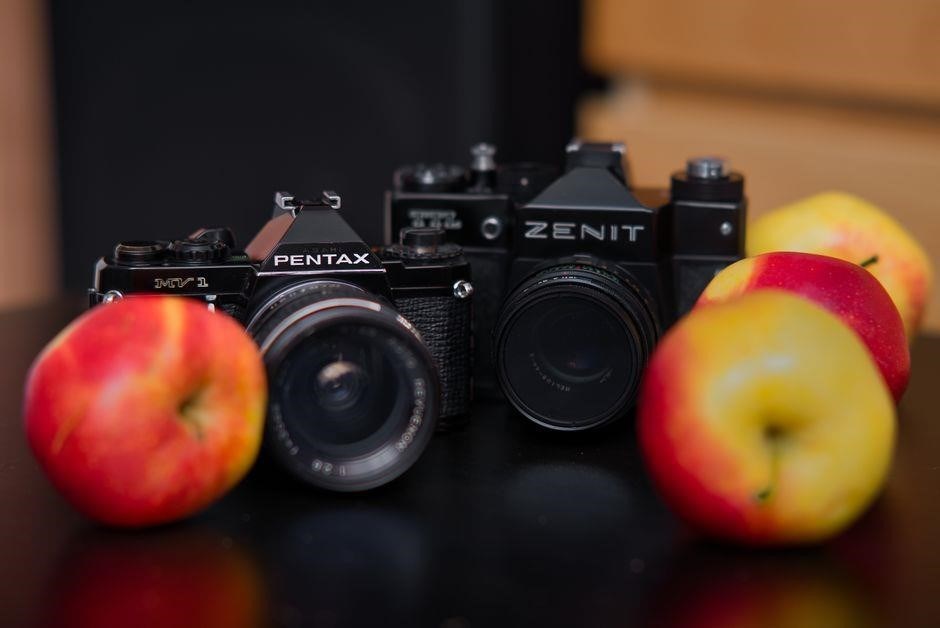
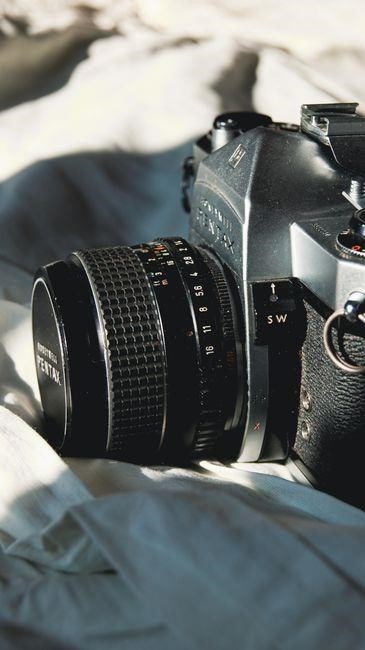
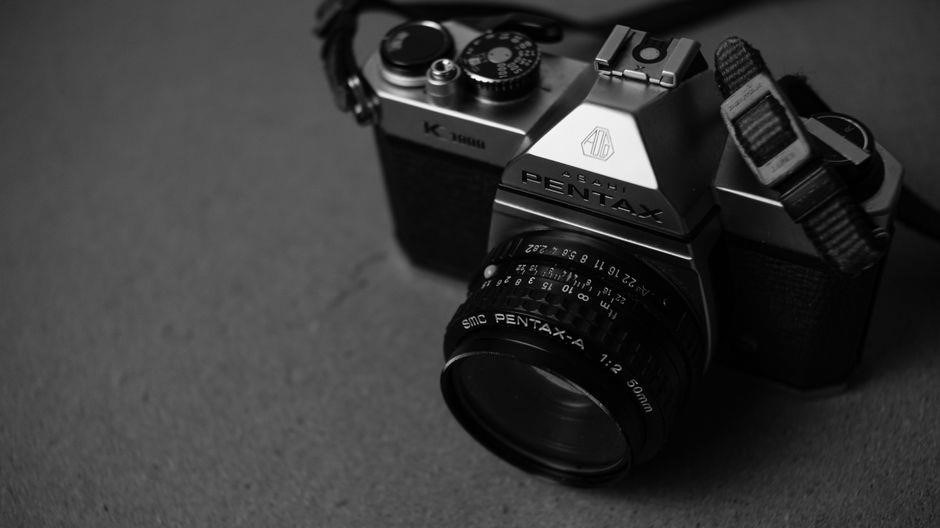
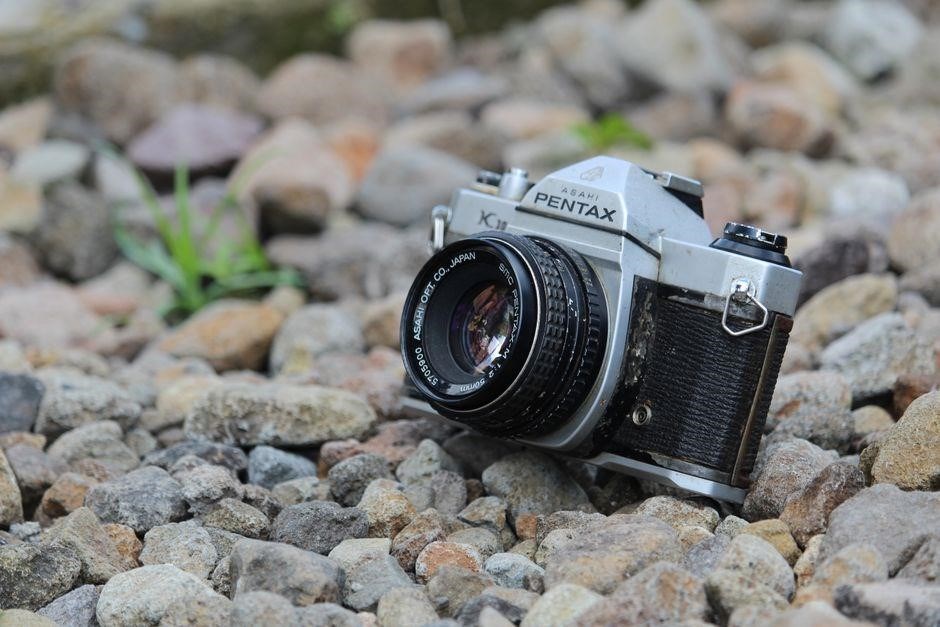
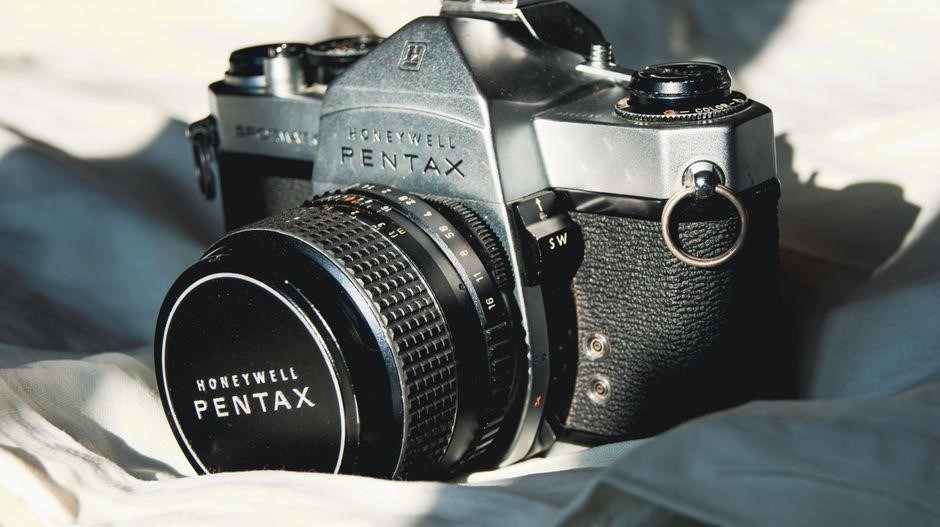
The Pentax ME Super’s construction reflects a blend of durability and lightweight design. Its magnesium alloy chassis offers resistance to everyday wear while keeping the camera’s weight manageable for extended handheld sessions. The matte finish not only provides a professional aesthetic but also reduces glare‚ ensuring a clear viewfinder experience in bright conditions. Ergonomically‚ the grip is contoured to fit a range of hand sizes‚ offering a firm yet comfortable hold. The camera’s top plate is reinforced‚ safeguarding the shutter mechanism against accidental impacts. A prominent‚ well‑positioned film counter and rewind lever are easily accessible‚ allowing quick adjustments during fast shooting sequences. The lens mount is a standard Pentax K‑type‚ compatible with a wide array of lenses‚ from compact primes to telephoto zooms. Its robust design accommodates both manual focus and the use of external accessories such as filters or matte boxes. The ME Super’s internal layout is thoughtfully organized: the shutter release button sits centrally‚ while the aperture and shutter speed dials are placed for intuitive thumb control. The viewfinder is bright and offers a 0.95× magnification‚ providing a clear‚ true‑to‑scene perspective. The camera’s overall dimensions—approximately 140 mm in height‚ 95 mm in width‚ and 60 mm in depth—make it pocket‑friendly without compromising structural integrity. Its light metering system offers reliable exposure cues‚ complementing the camera’s mechanical precision. Optional accessories like a flash bracket or detachable viewfinder add versatility without compromising the lightweight feel. The internal layout is compact‚ with all controls within easy reach‚ allowing swift adjustments during dynamic shooting sessions. Overall‚ the ME Super’s build quality ensures it remains a trusted companion for years of creative exploration. Its weight and sturdy chassis make it ideal for ongonow shooting!
Controls
The Pentax ME Super’s control layout is designed for intuitive manual operation. The shutter speed dial‚ located on the top left‚ offers a full range from 1/1000 s to 30 s‚ with a 1/100 s “B” setting for continuous shooting. The aperture ring‚ positioned on the lens mount‚ allows precise f‑stop selection from f/1.4 to f/22‚ ensuring full manual focus control. The shutter release button sits centrally‚ providing a tactile click that confirms exposure. A dedicated film counter‚ visible in the viewfinder‚ tracks frames remaining‚ while the rewind lever on the back offers a quick‚ one‑handed rewind. The ME Super includes a built‑in light meter indicator that displays exposure information in the viewfinder‚ aiding accurate manual exposure. The camera’s power switch is located on the top‚ allowing quick activation or deactivation. The body’s ergonomics are balanced‚ with a non‑slip grip that accommodates both left‑and right‑hand shooters. The ME Super’s controls are fully mechanical‚ ensuring reliability in varied environments. The combination of these features makes the camera a reliable tool for photographers who prefer hands‑on‚ manual shooting. Whether you’re capturing sweeping landscapes or intimate portraits‚ the ME Super’s manual controls empower you to craft each image with intent. Its tactile dials and reliable metering make it a dependable companion for photographers who value precision and the satisfaction of hands‑on shooting. Its classic feel reminds you that photography is art of choice !
Setting up the Camera
Before shooting‚ insert a fresh 35mm film cartridge‚ wind the film until the indicator shows 0‚ then close the back. Set the ISO on the camera’s dial to match the film speed. Align the shutter speed and aperture rings‚ then lock the lens.Finally‚ power on the unit.
Mounting the Lens
To mount a lens on the Pentax ME Super‚ first ensure the camera is turned off and the back is open. Locate the lens mount on the camera body; it is a 43‑mm Pentax K‑mount. Align the lens’s mounting ring with the camera’s mount‚ matching the keyhole notch. Gently rotate the lens clockwise until the lock lever clicks into place‚ indicating a secure fit. Once the lens is attached‚ close the camera back‚ ensuring the film door is sealed. Verify the lens focus ring is in the correct position for the desired focal length‚ and adjust the aperture ring to the desired f‑stop. Finally‚ power on the camera and perform a quick test exposure to confirm proper alignment and focus.
- Check the lens mount for any debris before attaching.
- Ensure the lens is fully seated; the lock lever should click firmly.
- Verify the lens’s aperture ring is set to the desired f‑stop.
- Confirm the focus ring is positioned correctly for the chosen focal length.
When mounting a lens‚ always double‑check that the lens barrel is aligned with the camera’s mount axis. A misaligned lens can cause focus errors and uneven exposure. After securing the lock lever‚ gently rotate the lens a few turns to ensure it is fully seated. Some users report that a slight counter‑clockwise twist during the initial lock can help the lever engage more smoothly. Finally‚ verify that the lens’s focus and aperture rings are correctly set before taking the first shot This procedure ensures optimal image quality
Power and Batteries
The Pentax ME Super runs on a single 1.5‑V lithium coin cell‚ usually a CR‑2032. The camera’s low‑power design allows the battery to support several hundred exposures. To install the cell‚ open the back plate‚ slide the latch‚ and place the battery with the positive side up. Once seated‚ close the plate; the power LED will light‚ confirming a good connection. If the LED stays off‚ check for a loose contact or a depleted cell. A drained battery can cause erratic shutter speeds or prevent the camera from firing‚ so keep a spare CR‑2032 on hand. When swapping cells‚ allow a brief rest period for the electronics to reset‚ preventing accidental exposure changes. Monitor the exposure counter; a sudden drop indicates low power. Proper battery management ensures consistent shutter speed and aperture control throughout your shooting sessions. The power switch is on the left side; the LED gives instant feedback. Use fresh cell results. Now!
Because the ME Super’s compartment is sealed‚ avoid using non‑standard cells or over‑charging‚ which could damage the camera. Store the camera in a cool‚ dry place to preserve battery life‚ as high temperatures accelerate chemical depletion. When traveling‚ pack the battery in a padded case to protect it from shock and maintain a stable voltage supply. Carry a spare battery and monitor the counter. Check battery status before session. Remember to replace the battery before the counter reaches zero to avoid missed shots and spare!!
Manual Settings
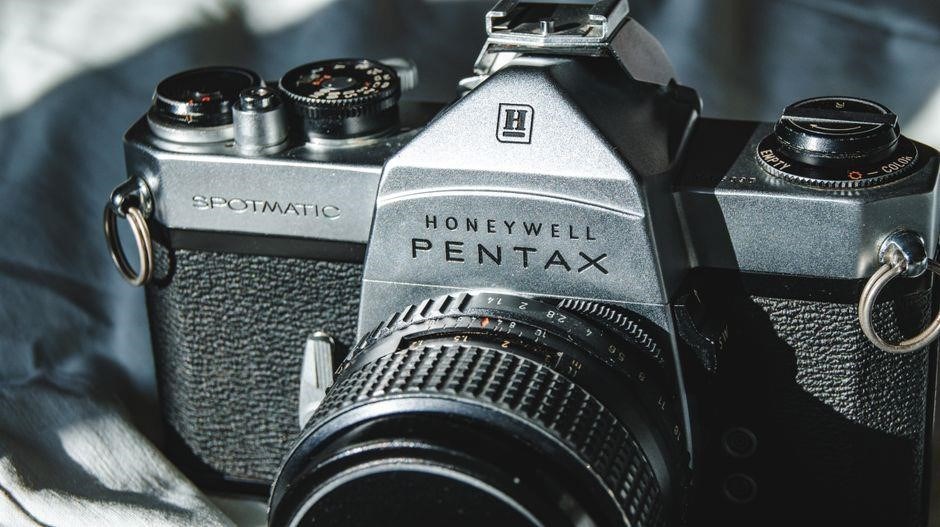
Manual settings give full control over aperture‚ shutter speed‚ and exposure. The ME Super’s front dial sets aperture‚ while the rear lever adjusts shutter speed. The built‑in meter reads exposure‚ and you can override it manually for creative controlnow. Use exposure lock to freeze lighting. Now!!
Aperture Selection
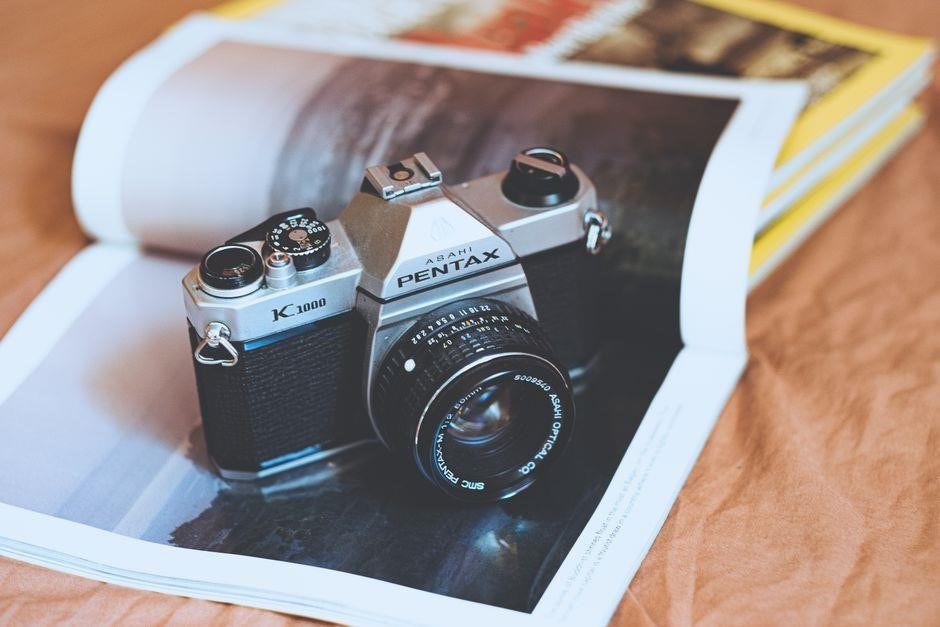
Choosing the correct aperture on the Pentax ME Super is a straightforward yet powerful way to control depth of field and light intake. The front aperture ring‚ marked in f‑stops from f/1;8 to f/22‚ allows you to dial in the exact value you need for each scene. Turning the ring clockwise narrows the aperture‚ increasing depth of field and reducing the amount of light that reaches the film. Conversely‚ turning it counter‑clockwise opens the aperture‚ creating a shallow depth of field and allowing more light to hit the film. The ME Super’s aperture ring is designed with a smooth‚ tactile feel‚ and the f‑stop markings are clearly etched‚ making it easy to read even in low light. When selecting an aperture‚ consider the desired background blur: a wide aperture such as f/2.8 or f/4 will isolate your subject with a soft background‚ ideal for portraits or macro work‚ while a narrow aperture like f/11 or f/16 provides a crisp‚ detailed image throughout the frame‚ suitable for landscape or architectural photography. The camera’s built‑in light meter reads the scene and displays an exposure recommendation on the viewfinder. If the meter suggests a particular aperture‚ you can trust it for most everyday shooting. However‚ creative choices often require you to override the meter. By manually setting the aperture‚ you can achieve the artistic effect you want‚ regardless of the meter’s suggestion. The ME Super’s aperture ring also interacts with the camera’s shutter speed dial; a wider aperture will require a faster shutter to avoid overexposure‚ while a smaller aperture allows slower shutter speeds. Understanding this relationship is key to mastering manual exposure. Finally‚ the ME Super’s aperture ring is fully compatible with a wide range of Pentax lenses‚ from the classic 50mm f/1.4 to the versatile 28‑135mm f/3.5‑4.5. This flexibility ensures that you can always find the right lens to complement your chosen aperture setting. Mastering aperture on the ME Super unlocks freedom fully and exposure control! and tweak now!.
Shutter Speed
Shutter speed on the Pentax ME Super is set by the rear dial‚ ranging from 1/2000 s to 30 s plus bulb mode for long exposures. The dial shows standard increments: 1/2000‚ 1/1000‚ 1/500‚ 1/250‚ 1/125‚ 1/60‚ 1/30‚ 1/15‚ 1/8‚ 1/4‚ 1/2‚ 1 s‚ 2 s‚ 4 s‚ 8 s‚ 15 s‚ 30 s‚ B. Each click locks the speed‚ preventing accidental changes. In manual mode the meter suggests a shutter speed based on aperture and lighting; you may follow or override it for creative effect. Fast speeds freeze motion‚ ideal for sports or wildlife; slow speeds create motion blur‚ perfect for waterfalls or night scenes. Bulb mode keeps the shutter open as long as the button is held‚ enabling long exposures in low light. Shutter speed must balance with aperture to maintain proper exposure: a wide aperture needs a faster shutter‚ a narrow aperture allows slower speeds. The ME Super’s mechanical shutter is reliable‚ but always check for smooth operation before long shoots. Adjusting shutter speed is a fundamental skill that‚ combined with aperture control‚ gives you full command over exposure and creative expression. Practice by shooting in various lighting conditions‚ noting how shutter speed adjustments affect exposure and motion. Over time‚ you’ll develop an instinct for choosing the right speed instantly. Remember‚ consistency practice builds confidence.
Exposure Modes
Exposure modes on the Pentax ME Super are simple yet powerful. The camera offers Manual‚ Aperture Priority and Shutter Priority each giving you control over shutter speed‚ aperture‚ or both. Select the mode with the front dial for instant exposure This mode selection provides creative control!
Manual Mode
In Manual mode the Pentax ME Super places full creative authority in the photographer’s hands. By turning the front dial‚ you set the shutter speed‚ while the rear dial adjusts the aperture. The built‑in light meter‚ displayed on the viewfinder‚ offers a recommended exposure based on the selected ISO. You can override this by manually selecting any combination of shutter speed and aperture‚ allowing you to craft depth of field‚ motion blur‚ or freeze action as desired. The camera’s mechanical shutter‚ rated for 1/2000 s to 30 s‚ provides a wide range of exposure possibilities. When shooting in low light‚ you can open the aperture to f/2.8 or f/4 and extend the shutter to several seconds‚ using a tripod to avoid camera shake. Conversely‚ for fast action‚ set a shutter speed of 1/1000 s or faster‚ and close the aperture to f/8 or f/11 to maintain sharpness. The ME Super’s shutter release lever is ergonomically positioned for quick‚ precise triggering. Additionally‚ the camera’s exposure lock function allows you to lock the meter reading after a metered exposure‚ enabling you to change focus or composition without altering the exposure settings. This feature is particularly useful in situations where lighting conditions remain constant but the subject moves. The manual mode also supports the use of neutral density filters and other accessories to further refine exposure control. By mastering the interplay between shutter speed‚ aperture‚ and ISO‚ photographers can fully exploit the ME Super’s robust build and reliable performance in any shooting scenario. Enjoy shoot!!!!
Aperture Priority
When you engage Aperture Priority on the Pentax ME Super‚ the camera automatically selects a shutter speed that matches the aperture you set‚ while you maintain full control over depth of field. The front dial lets you choose any aperture from f/2.8 to f/22‚ and the rear dial displays the corresponding shutter speed. The built‑in meter‚ shown in the viewfinder‚ provides a recommended exposure based on the chosen aperture and the current lighting. You can accept the meter’s suggestion or manually override it by turning the rear dial to a different shutter speed‚ giving you flexibility for creative effects such as motion blur or freeze‑action. The ME Super’s mechanical shutter ranges from 1/2000 s to 30 s‚ allowing you to capture everything from high‑speed sports to long‑exposure night scenes. In bright conditions‚ you might set a small aperture like f/16 to keep the entire scene in focus and the camera will automatically pick a fast shutter speed to avoid overexposure. In low light‚ a wide aperture such as f/2.8 will let in more light and the camera will slow the shutter accordingly. The aperture priority mode is especially useful when you want to control background blur while the camera handles exposure timing. It also works well with neutral‑density filters‚ letting you extend exposure times without overexposing the image. The ME Super’s exposure lock feature can be used to freeze the meter reading so you can change composition or focus without altering the exposure. Mastering Aperture Priority allows you to balance creative intent with reliable exposure‚ making the Pentax ME Super a versatile tool for both beginners and seasoned photographers alikeEnjoy!.
Shutter Priority
In Shutter Priority mode the Pentax ME Super lets you set the shutter speed while the camera automatically chooses the aperture that will produce a correct exposure. The front dial is used to select a shutter speed from 1/2000 s to 30 s‚ and the rear dial displays the aperture the meter recommends. The viewfinder meter shows a green or red indicator to signal whether the chosen shutter speed is within the recommended exposure range. If the meter reads green‚ the exposure is correct; if it reads red‚ you must adjust the aperture or change the shutter speed. This mode is ideal for controlling motion: a fast shutter freezes action‚ while a slow shutter creates motion blur. It is also useful for long exposures in low light; the camera will open the aperture as wide as possible to let in enough light for the selected shutter speed. Because the ME Super’s shutter is mechanical‚ you can rely on the meter’s readings even in flash photography‚ where the camera will adjust the aperture to match the flash output. The shutter priority setting allows you to experiment with creative effects such as panning or starburst while maintaining accurate exposure. By locking the exposure with the meter lock button‚ you can change framing or focus without altering the shutter speed or aperture. Mastering Shutter Priority gives you precise control over the timing of your images‚ making the Pentax ME Super a powerful tool for dynamic scenes and long‑exposure photography alike. The ME Super’s shutter priority mode is particularly handy when you want to freeze fast action or create motion blur without worrying about exposure. Because the camera automatically selects the aperture‚ you can focus on composition and timing‚ confident that the exposure will be correct. The meter lock feature is useful when you need to maintain a specific shutter speed while changing the scene or focusing. Overall‚ Shutter Priority on the ME Super offers a balance between creative control and reliable exposure‚ making it a versatile choice for photographers who prefer manual settings. The camera’s mechanical shutter provides a tactile feel‚ and the shutter speed dial is smooth‚ allowing quick adjustments during fast‑paced shooting.
Film Handling
The Pentax ME Super’s film system is straightforward: open the back‚ insert a 35 mm cartridge‚ advance the film‚ and lock the back. The built‑in meter reads the film’s ISO‚ and the shutter release ensures proper exposure. After shooting‚ rewind manually‚ then remove the cartridge. Easy to use‚always.
Loading Film
To load film into the Pentax ME Super‚ start by setting the shutter to OFF and opening the back fully. Remove any old film or cartridge‚ then place a fresh 35 mm film canister on the loading platform. Align the film leader with the notch on the back plate‚ and gently push the canister until it clicks into place. The camera’s built‑in film counter will register the ISO rating automatically if the cartridge’s data strip is readable; otherwise‚ set the ISO manually using the dial. Once the canister is seated‚ close the back and lock it. The film advance lever‚ located on the left side of the camera‚ will now be engaged. Pull the lever forward to advance the film one frame‚ and observe the film counter increment. Repeat this motion until the counter reads “1” and the film is properly positioned. At this point‚ the shutter release button will be enabled for the first exposure. If you wish to use a different film speed‚ adjust the ISO dial before the first exposure to avoid over‑exposure. When you reach the end of the roll‚ the camera will automatically stop the shutter and prompt you to rewind. To rewind‚ press the rewind button on the back‚ then pull the rewind lever until the film is fully retracted into the canister. Finally‚ remove the canister and close the back. The Pentax ME Super’s simple‚ mechanical loading system is designed for reliability‚ allowing photographers to focus on composition rather than complex procedures. This system ensures that each roll is properly advanced and ready for the next shooting session!!