
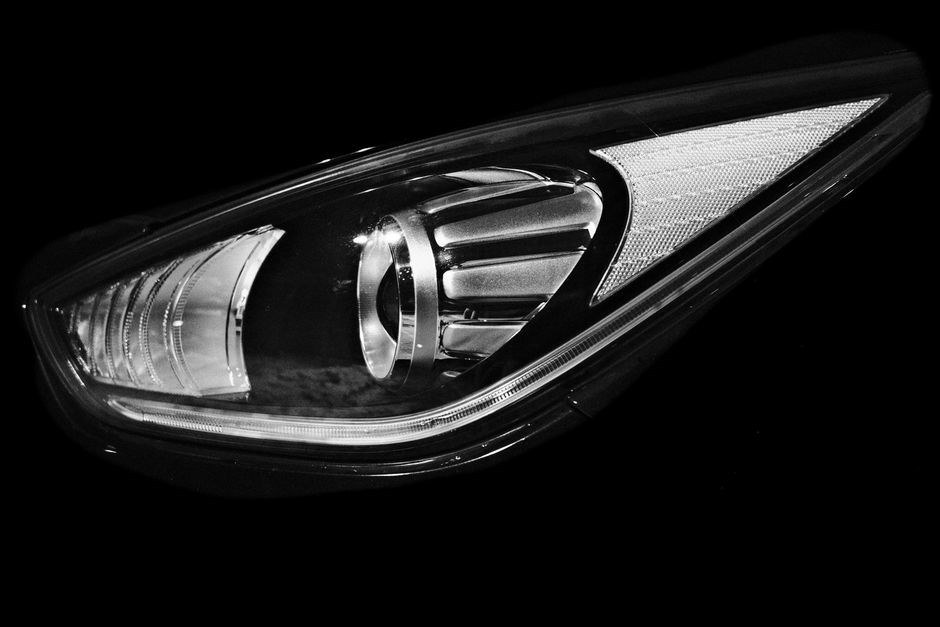
2013 Hyundai Sonata Owners Manual Overview
The 2013 Hyundai Sonata Owners Manual offers concise guidance on vehicle operation‚ safety features‚ maintenance schedules‚ and troubleshooting. It covers key topics such as engine performance‚ transmission settings‚ and diagnostic tools‚ ensuring owners can confidently care for their car. Enjoy manual!!!
Key Topics Covered
Below is a concise snapshot of the core subjects addressed in the 2013 Hyundai Sonata Owners Manual. The manual is organized to guide owners through every aspect of vehicle ownership‚ from initial setup to routine care and safety. It begins with an introduction to the vehicle’s identification‚ registration‚ and ownership documentation‚ ensuring drivers can quickly locate the VIN and related paperwork. Next‚ the manual details the seatbelt system and airbag deployment‚ explaining proper lap‑shoulder belt usage‚ child restraint guidelines‚ and the conditions that trigger airbag activation. The dashboard section covers instrument cluster functions‚ warning lights‚ and control panels‚ helping owners interpret alerts and adjust settings such as cruise control‚ lighting‚ and climate controls; Engine specifications are presented‚ including the 2.4‑liter inline‑four engine’s power output‚ torque curve‚ and fuel‑economy ratings for city‚ highway‚ and combined driving. Transmission operation is explained with gearshift modes‚ shift patterns‚ and maintenance recommendations for the 6‑speed automatic. The manual also outlines scheduled maintenance intervals‚ detailing oil change timing‚ filter replacement‚ tire rotation‚ brake inspection‚ and fluid checks‚ along with a troubleshooting guide for common issues. Finally‚ it offers safety tips‚ emergency procedures‚ and contact information for Hyundai support services. This overview equips owners with the essential knowledge to operate‚ maintain‚ and enjoy their Sonata safely and efficiently. Enjoy safe driving!!

Vehicle Identification and Owner Information
Locate your VIN on the driver’s side dashboard and the vehicle registration card. Record the owner’s name‚ address‚ and contact details for service records. Verify the registration number and insurance policy to ensure compliance with local regulations and warranty eligibility. Keep info handy warranty!!!
VIN‚ Registration‚ and Ownership Details
Every 2013 Hyundai Sonata carries a unique Vehicle Identification Number (VIN) stamped on the driver’s side dashboard near the windshield and also printed on the registration card. The VIN is a 17‑character code that encodes the manufacturer‚ model‚ body style‚ engine type‚ and production year. Owners should record the VIN in a secure location‚ such as a digital backup or a physical file‚ to facilitate warranty claims‚ insurance processing‚ and resale value verification. The registration card‚ issued by the state motor vehicle department‚ lists the legal owner’s name‚ address‚ and the vehicle’s license plate number. It also contains the registration expiration date and any applicable tax or fee information. For service appointments‚ service centers will often request the VIN and registration details to pull the correct maintenance history and to confirm that the vehicle is covered under the manufacturer’s warranty. In the event of a loss or theft‚ the VIN is essential for filing police reports and insurance claims. The manual recommends updating the registration card promptly if the owner’s address changes or if the vehicle is transferred to a new owner. Finally‚ the 2013 Sonata’s electronic key fob is linked to the VIN; if the key fob is lost‚ the dealer can reprogram a new one using the VIN as a reference. By maintaining accurate VIN‚ registration‚ and ownership records‚ owners can ensure smooth interactions with dealers‚ insurers‚ and law enforcement‚ thereby preserving the vehicle’s value and compliance with legal requirements. Keep them safe daily

Seatbelt System and Airbag Deployment
The 2013 Sonata’s seatbelt system includes lap‑and‑shoulder belts for all seats‚ automatically tensioned by the belt pretensioner during a collision. Airbags deploy from the steering wheel‚ driver’s side curtain‚ and passenger side‚ providing layered protection. Always wear belts. and keep them properly adjusted.!

Seatbelt Usage‚ Lap/Shoulder‚ and Airbag Activation
In the 2013 Hyundai Sonata‚ every seat has a lap‑and‑shoulder belt that locks automatically when the car reaches a preset speed or during a collision. The pretensioner tightens the belt in milliseconds‚ keeping occupants restrained and reducing injury risk.
Drivers and front passengers must buckle before the engine starts. Rear seats also have lap belts‚ and the rear passenger side includes a shoulder belt. The belt should fit snugly but not so tight that it causes discomfort. A loose belt can fail to protect during impact.
Airbag deployment works in tandem with the seat‑belt. The steering‑wheel airbag triggers at a frontal impact of about 20–25 kph‚ while side‑airbags deploy in side‑collision scenarios. If the belt is not worn‚ the airbag may not deploy correctly or could cause injury.
The manual advises inspecting the belt system every 12‚000 km or 12 months‚ whichever comes first. Look for fraying‚ broken buckles‚ or any damage. Replace any worn part immediately. Keep the buckle latch clean and free of debris to ensure a secure lock.
The Sonata’s seat‑belt reminder lights the dash and chimes until the belt is fastened. This feature is especially useful for rear‑seat passengers who may forget to buckle up. By following these guidelines‚ owners can maximize safety and protect all occupants in an accident.
If the seat‑belt light remains illuminated after fastening‚ check the belt’s integrity and the buckle’s alignment. A malfunctioning sensor may trigger the warning; in such cases‚ consult a qualified technician to prevent safety system failure. Double-check now!

Dashboard Indicators and Controls
The 2013 Sonata’s cluster shows speed‚ fuel‚ temperature‚ and warning lights. LED icons alert low fuel‚ engine temperature‚ oil pressure‚ and seat‑belt status. Use the toggle switch to change display modes. Steering wheel controls allow quick now adjustments.!!
Instrument Cluster‚ Warning Lights‚ and Controls
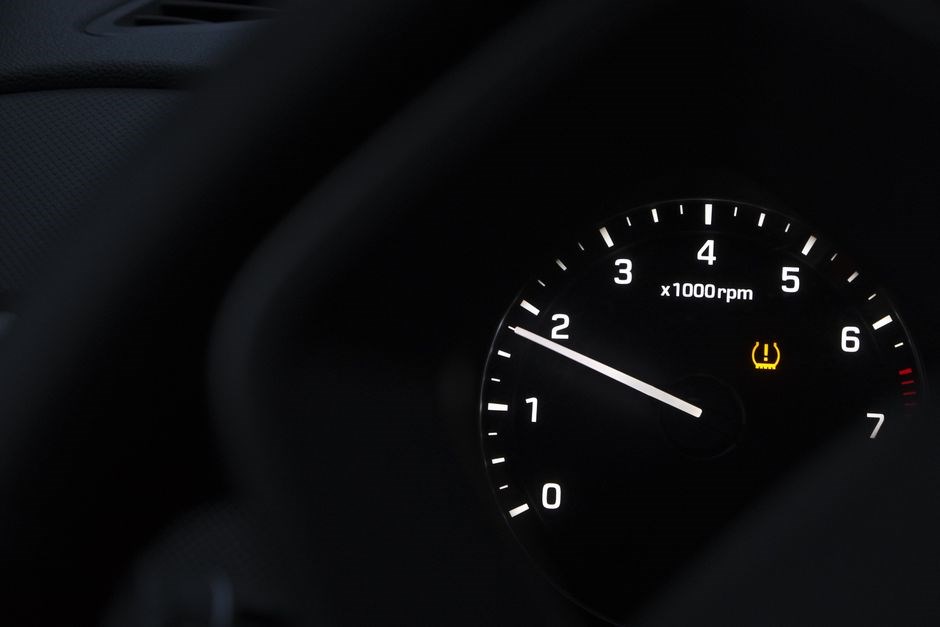
The 2013 Hyundai Sonata’s instrument cluster is a compact‚ LED‑backlit display that provides real‑time data on speed‚ RPM‚ fuel level‚ engine temperature‚ and battery voltage. A central gauge shows the current speed in mph or km/h‚ while a secondary gauge indicates engine revolutions per minute. The fuel gauge is a simple bar that fills from empty to full‚ and a small icon above it flashes when the fuel level drops below the threshold‚ prompting the driver to refuel. Engine temperature is displayed as a color‑coded needle that moves from green to amber to red‚ indicating the current engine status. Battery voltage is shown as a small numeric readout‚ and a warning light will illuminate if the alternator is not charging properly. The cluster’s warning lights include the check‑engine light‚ which indicates a fault in the engine or emission system; the oil pressure light‚ which signals low oil pressure; the brake system light‚ which warns of potential brake issues; the seat‑belt reminder light‚ which flashes when a seat belt is not fastened; and the airbag warning light‚ which indicates a fault in the airbag system. Each warning light is accompanied by a short‚ on‑screen message that appears in the lower portion of the display‚ providing the driver with additional context. The cluster’s controls are accessed via a small rotary dial located on the steering wheel. This dial allows the driver to switch between different display modes‚ such as standard‚ trip‚ and diagnostic modes.

Engine Specifications and Performance
The 2013 Sonata has a 2.4‑L I4 engine delivering 160 hp and 159 lb‑ft torque. It averages 28 mpg city‚ 38 mpg highway‚ 32 mpg combined. The engine runs on gasoline‚ with an electronically controlled throttle and a 6‑speed automatic transmission for smooth shifts.
Engine Type‚ Power Output‚ and Fuel Economy
The 2013 Hyundai Sonata is equipped with a 2.4‑liter‚ inline‑four (I4) gasoline engine that delivers 160 horsepower at 6‚300 rpm and 159 lb‑ft of torque at 4‚000 rpm. This powerplant is paired with an electronically controlled throttle and a 6‑speed automatic transmission‚ providing smooth acceleration and efficient shifting. The engine’s design emphasizes a balance between performance and fuel efficiency‚ achieving an EPA‑rated 28 mpg in the city‚ 38 mpg on the highway‚ and an overall 32 mpg combined; The fuel economy figures reflect a blend of direct injection technology‚ variable valve timing‚ and a lightweight aluminum block that reduces overall vehicle mass. In addition‚ the Sonata’s engine management system continuously monitors operating conditions‚ adjusting fuel delivery and ignition timing to optimize combustion and reduce emissions. Drivers can expect a responsive yet economical driving experience‚ especially in urban traffic where the engine’s torque curve is tuned for quick low‑speed response. The 2.4‑liter I4 also benefits from a relatively low compression ratio‚ which helps maintain durability while keeping fuel consumption in check. Overall‚ the 2013 Sonata’s engine configuration delivers a practical mix of power‚ refinement‚ and fuel efficiency suitable for daily commuting and longer journeys alike. Engine durability is boosted by cylinder newhead and oil filtration‚ ensuring consistent performance across temperatures. All figures are EPA‑rated. Ok. Engine. Fuel. OK!!

Automatic Transmission Operation and Settings
The 2013 Sonata’s 6‑speed automatic delivers smooth shifting and electronic control. Drivers choose Drive‚ Eco‚ or Manual. Shift points favor efficiency‚ and a torque converter ensures seamless gear changes. Regular fluid checks keep it reliable daily!
Gearshift Modes‚ Shift Patterns‚ and Maintenance
The 2013 Sonata’s six‑speed automatic transmission offers three primary gearshift modes: Drive (D)‚ Eco (E)‚ and Manual (M). In Drive‚ the system automatically selects the most efficient gear for the current speed and load‚ ensuring smooth acceleration and optimal fuel economy. Eco mode shifts earlier to maximize fuel savings‚ while Manual mode allows the driver to manually select gears using the shift lever or paddle shifters‚ providing a sportier driving experience. The transmission’s shift patterns are governed by electronic control units that monitor engine RPM‚ throttle position‚ and vehicle speed. This ensures that gear changes occur at the most appropriate times‚ reducing wear and improving performance. Regular maintenance is essential for longevity. Owners should replace the transmission fluid and filter every 60‚000 miles or 48 months‚ whichever comes first‚ to prevent sludge buildup and maintain hydraulic pressure. Additionally‚ the transmission cooler should be inspected for leaks‚ and the torque converter should be checked for proper operation. By following these guidelines‚ drivers can keep the Sonata’s transmission running smoothly for years.
The transmission’s longevity also depends on proper fluid temperature management. Drivers should avoid prolonged idling at high RPMs and ensure the cooling system remains free of debris. Keeping the transmission clean and well‑lubricated reduces wear and extends the life of critical components‚ providing reliable performance over the vehicle’s lifetime and keep it clean well!!!

Scheduled Maintenance and Service Intervals
The 2013 Sonata requires oil changes every 5‚000 miles or 6 months‚ whichever comes first. Replace the engine filter at 30‚000 miles. Inspect brakes and tires every 10‚000 miles. Transmission fluid changes are due at 60‚000 miles. Follow the owner’s manual for detailed schedules and safety tips. Check up
Oil Change‚ Filter Replacement‚ and Inspection Schedule
Regular oil changes are essential for the 2013 Hyundai Sonata’s longevity. The owner’s manual recommends changing the engine oil and filter every 5‚000 miles or six months‚ whichever occurs first. Use the manufacturer‑specified 5W‑20 synthetic blend for optimal performance. After the first 10‚000 miles‚ switch to a full‑synthetic 5W‑20 if the vehicle is operated in extreme temperatures or heavy traffic. The oil filter should be replaced each time the oil is changed‚ ensuring the filtration system remains effective. In addition to the oil and filter‚ the manual advises inspecting the air filter every 15‚000 miles. A clogged air filter can reduce fuel efficiency and engine power. The cabin air filter should be checked and replaced every 15‚000 miles or 12 months‚ whichever comes first‚ to maintain interior air quality. Tire pressure should be verified monthly and adjusted to the manufacturer’s recommended psi listed on the driver‑side door jamb. Brakes require inspection at every oil change interval; check pad thickness and rotor condition. If the brake pads are worn to the minimum thickness or the rotors show signs of scoring‚ replace them immediately. The transmission fluid should be inspected at 30‚000 miles and replaced at 60‚000 miles for the automatic transmission. For the manual transmission‚ check fluid at 30‚000 miles and replace at 60‚000 miles. All fluid levels‚ including coolant‚ power steering‚ and brake fluid‚ should be checked during each service visit. The manual also recommends a comprehensive inspection of the battery‚ suspension components‚ and wheel alignment every 20‚000 miles; Following this schedule will help prevent costly repairs and keep the Sonata running smoothly for years to come. Additionally‚ inspect spark plugs every 60‚000 miles and replace if fouled or worn. The timing chain tensioner should be inspected at 100‚000 miles for any signs of wear. Adhering to this detailed schedule ensures optimal engine performance and reduces the risk of unexpected breakdowns. During each oil change‚ also check the windshield washer fluid level and top it off if necessary. Inspect the brake lines for leaks or corrosion‚ and replace any damaged hoses. Verify the operation of the parking brake by ensuring it holds the vehicle in place on a slight incline. Finally‚ review the owner’s manual for any model‑specific updates or recalls that may affect maintenance intervals. If you notice any unusual noises‚ vibrations‚ or warning lights during routine checks‚ consult a qualified Hyundai technician promptly. Keeping a maintenance log helps track service dates and mileage‚ making it easier to stay on schedule and maintain the vehicle’s resale value.