

2013 hyundai sonata owner’s manual

2013 Hyundai Sonata Owners Manual Overview

The 2013 Hyundai Sonata Owners Manual offers concise guidance on vehicle operation‚ safety features‚ maintenance schedules‚ and troubleshooting. It covers key topics such as engine performance‚ transmission settings‚ and diagnostic tools‚ ensuring owners can confidently care for their car. Enjoy manual!!!

Key Topics Covered

Below is a concise snapshot of the core subjects addressed in the 2013 Hyundai Sonata Owners Manual. The manual is organized to guide owners through every aspect of vehicle ownership‚ from initial setup to routine care and safety. It begins with an introduction to the vehicle’s identification‚ registration‚ and ownership documentation‚ ensuring drivers can quickly locate the VIN and related paperwork. Next‚ the manual details the seatbelt system and airbag deployment‚ explaining proper lap‑shoulder belt usage‚ child restraint guidelines‚ and the conditions that trigger airbag activation. The dashboard section covers instrument cluster functions‚ warning lights‚ and control panels‚ helping owners interpret alerts and adjust settings such as cruise control‚ lighting‚ and climate controls; Engine specifications are presented‚ including the 2.4‑liter inline‑four engine’s power output‚ torque curve‚ and fuel‑economy ratings for city‚ highway‚ and combined driving. Transmission operation is explained with gearshift modes‚ shift patterns‚ and maintenance recommendations for the 6‑speed automatic. The manual also outlines scheduled maintenance intervals‚ detailing oil change timing‚ filter replacement‚ tire rotation‚ brake inspection‚ and fluid checks‚ along with a troubleshooting guide for common issues. Finally‚ it offers safety tips‚ emergency procedures‚ and contact information for Hyundai support services. This overview equips owners with the essential knowledge to operate‚ maintain‚ and enjoy their Sonata safely and efficiently. Enjoy safe driving!!

Vehicle Identification and Owner Information

Locate your VIN on the driver’s side dashboard and the vehicle registration card. Record the owner’s name‚ address‚ and contact details for service records. Verify the registration number and insurance policy to ensure compliance with local regulations and warranty eligibility. Keep info handy warranty!!!
VIN‚ Registration‚ and Ownership Details

Every 2013 Hyundai Sonata carries a unique Vehicle Identification Number (VIN) stamped on the driver’s side dashboard near the windshield and also printed on the registration card. The VIN is a 17‑character code that encodes the manufacturer‚ model‚ body style‚ engine type‚ and production year. Owners should record the VIN in a secure location‚ such as a digital backup or a physical file‚ to facilitate warranty claims‚ insurance processing‚ and resale value verification. The registration card‚ issued by the state motor vehicle department‚ lists the legal owner’s name‚ address‚ and the vehicle’s license plate number. It also contains the registration expiration date and any applicable tax or fee information. For service appointments‚ service centers will often request the VIN and registration details to pull the correct maintenance history and to confirm that the vehicle is covered under the manufacturer’s warranty. In the event of a loss or theft‚ the VIN is essential for filing police reports and insurance claims. The manual recommends updating the registration card promptly if the owner’s address changes or if the vehicle is transferred to a new owner. Finally‚ the 2013 Sonata’s electronic key fob is linked to the VIN; if the key fob is lost‚ the dealer can reprogram a new one using the VIN as a reference. By maintaining accurate VIN‚ registration‚ and ownership records‚ owners can ensure smooth interactions with dealers‚ insurers‚ and law enforcement‚ thereby preserving the vehicle’s value and compliance with legal requirements. Keep them safe daily

Seatbelt System and Airbag Deployment

The 2013 Sonata’s seatbelt system includes lap‑and‑shoulder belts for all seats‚ automatically tensioned by the belt pretensioner during a collision. Airbags deploy from the steering wheel‚ driver’s side curtain‚ and passenger side‚ providing layered protection. Always wear belts. and keep them properly adjusted.!

Seatbelt Usage‚ Lap/Shoulder‚ and Airbag Activation

In the 2013 Hyundai Sonata‚ every seat has a lap‑and‑shoulder belt that locks automatically when the car reaches a preset speed or during a collision. The pretensioner tightens the belt in milliseconds‚ keeping occupants restrained and reducing injury risk.

Drivers and front passengers must buckle before the engine starts. Rear seats also have lap belts‚ and the rear passenger side includes a shoulder belt. The belt should fit snugly but not so tight that it causes discomfort. A loose belt can fail to protect during impact.

Airbag deployment works in tandem with the seat‑belt. The steering‑wheel airbag triggers at a frontal impact of about 20–25 kph‚ while side‑airbags deploy in side‑collision scenarios. If the belt is not worn‚ the airbag may not deploy correctly or could cause injury.

The manual advises inspecting the belt system every 12‚000 km or 12 months‚ whichever comes first. Look for fraying‚ broken buckles‚ or any damage. Replace any worn part immediately. Keep the buckle latch clean and free of debris to ensure a secure lock.

The Sonata’s seat‑belt reminder lights the dash and chimes until the belt is fastened. This feature is especially useful for rear‑seat passengers who may forget to buckle up. By following these guidelines‚ owners can maximize safety and protect all occupants in an accident.

If the seat‑belt light remains illuminated after fastening‚ check the belt’s integrity and the buckle’s alignment. A malfunctioning sensor may trigger the warning; in such cases‚ consult a qualified technician to prevent safety system failure. Double-check now!

Dashboard Indicators and Controls

The 2013 Sonata’s cluster shows speed‚ fuel‚ temperature‚ and warning lights. LED icons alert low fuel‚ engine temperature‚ oil pressure‚ and seat‑belt status. Use the toggle switch to change display modes. Steering wheel controls allow quick now adjustments.!!

Instrument Cluster‚ Warning Lights‚ and Controls

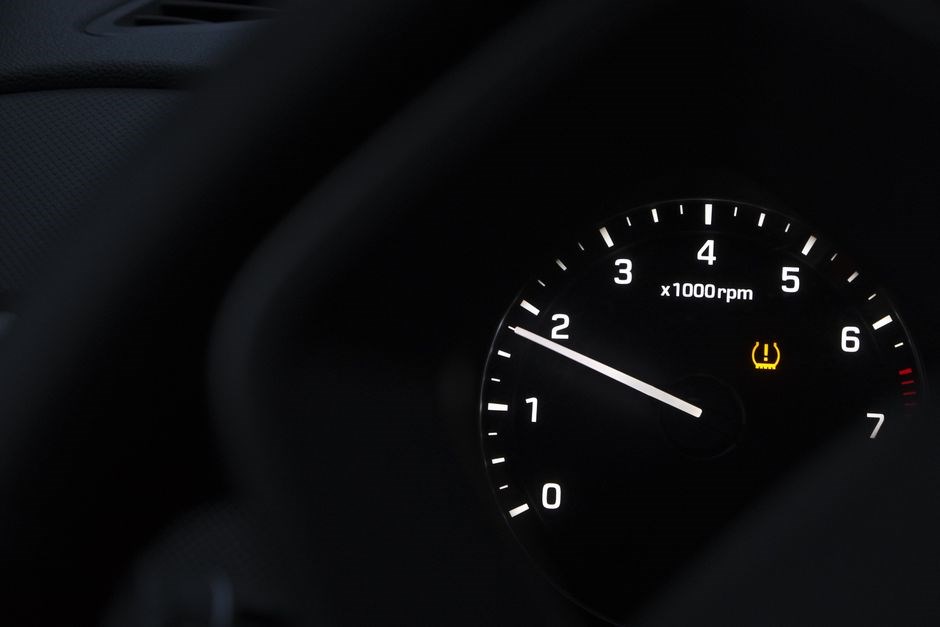
The 2013 Hyundai Sonata’s instrument cluster is a compact‚ LED‑backlit display that provides real‑time data on speed‚ RPM‚ fuel level‚ engine temperature‚ and battery voltage. A central gauge shows the current speed in mph or km/h‚ while a secondary gauge indicates engine revolutions per minute. The fuel gauge is a simple bar that fills from empty to full‚ and a small icon above it flashes when the fuel level drops below the threshold‚ prompting the driver to refuel. Engine temperature is displayed as a color‑coded needle that moves from green to amber to red‚ indicating the current engine status. Battery voltage is shown as a small numeric readout‚ and a warning light will illuminate if the alternator is not charging properly. The cluster’s warning lights include the check‑engine light‚ which indicates a fault in the engine or emission system; the oil pressure light‚ which signals low oil pressure; the brake system light‚ which warns of potential brake issues; the seat‑belt reminder light‚ which flashes when a seat belt is not fastened; and the airbag warning light‚ which indicates a fault in the airbag system. Each warning light is accompanied by a short‚ on‑screen message that appears in the lower portion of the display‚ providing the driver with additional context. The cluster’s controls are accessed via a small rotary dial located on the steering wheel. This dial allows the driver to switch between different display modes‚ such as standard‚ trip‚ and diagnostic modes.

Engine Specifications and Performance

The 2013 Sonata has a 2.4‑L I4 engine delivering 160 hp and 159 lb‑ft torque. It averages 28 mpg city‚ 38 mpg highway‚ 32 mpg combined. The engine runs on gasoline‚ with an electronically controlled throttle and a 6‑speed automatic transmission for smooth shifts.

Engine Type‚ Power Output‚ and Fuel Economy

The 2013 Hyundai Sonata is equipped with a 2.4‑liter‚ inline‑four (I4) gasoline engine that delivers 160 horsepower at 6‚300 rpm and 159 lb‑ft of torque at 4‚000 rpm. This powerplant is paired with an electronically controlled throttle and a 6‑speed automatic transmission‚ providing smooth acceleration and efficient shifting. The engine’s design emphasizes a balance between performance and fuel efficiency‚ achieving an EPA‑rated 28 mpg in the city‚ 38 mpg on the highway‚ and an overall 32 mpg combined; The fuel economy figures reflect a blend of direct injection technology‚ variable valve timing‚ and a lightweight aluminum block that reduces overall vehicle mass. In addition‚ the Sonata’s engine management system continuously monitors operating conditions‚ adjusting fuel delivery and ignition timing to optimize combustion and reduce emissions. Drivers can expect a responsive yet economical driving experience‚ especially in urban traffic where the engine’s torque curve is tuned for quick low‑speed response. The 2.4‑liter I4 also benefits from a relatively low compression ratio‚ which helps maintain durability while keeping fuel consumption in check. Overall‚ the 2013 Sonata’s engine configuration delivers a practical mix of power‚ refinement‚ and fuel efficiency suitable for daily commuting and longer journeys alike. Engine durability is boosted by cylinder newhead and oil filtration‚ ensuring consistent performance across temperatures. All figures are EPA‑rated. Ok. Engine. Fuel. OK!!

Automatic Transmission Operation and Settings

The 2013 Sonata’s 6‑speed automatic delivers smooth shifting and electronic control. Drivers choose Drive‚ Eco‚ or Manual. Shift points favor efficiency‚ and a torque converter ensures seamless gear changes. Regular fluid checks keep it reliable daily!

Gearshift Modes‚ Shift Patterns‚ and Maintenance

The 2013 Sonata’s six‑speed automatic transmission offers three primary gearshift modes: Drive (D)‚ Eco (E)‚ and Manual (M). In Drive‚ the system automatically selects the most efficient gear for the current speed and load‚ ensuring smooth acceleration and optimal fuel economy. Eco mode shifts earlier to maximize fuel savings‚ while Manual mode allows the driver to manually select gears using the shift lever or paddle shifters‚ providing a sportier driving experience. The transmission’s shift patterns are governed by electronic control units that monitor engine RPM‚ throttle position‚ and vehicle speed. This ensures that gear changes occur at the most appropriate times‚ reducing wear and improving performance. Regular maintenance is essential for longevity. Owners should replace the transmission fluid and filter every 60‚000 miles or 48 months‚ whichever comes first‚ to prevent sludge buildup and maintain hydraulic pressure. Additionally‚ the transmission cooler should be inspected for leaks‚ and the torque converter should be checked for proper operation. By following these guidelines‚ drivers can keep the Sonata’s transmission running smoothly for years.

The transmission’s longevity also depends on proper fluid temperature management. Drivers should avoid prolonged idling at high RPMs and ensure the cooling system remains free of debris. Keeping the transmission clean and well‑lubricated reduces wear and extends the life of critical components‚ providing reliable performance over the vehicle’s lifetime and keep it clean well!!!

Scheduled Maintenance and Service Intervals

The 2013 Sonata requires oil changes every 5‚000 miles or 6 months‚ whichever comes first. Replace the engine filter at 30‚000 miles. Inspect brakes and tires every 10‚000 miles. Transmission fluid changes are due at 60‚000 miles. Follow the owner’s manual for detailed schedules and safety tips. Check up

Oil Change‚ Filter Replacement‚ and Inspection Schedule

Regular oil changes are essential for the 2013 Hyundai Sonata’s longevity. The owner’s manual recommends changing the engine oil and filter every 5‚000 miles or six months‚ whichever occurs first. Use the manufacturer‑specified 5W‑20 synthetic blend for optimal performance. After the first 10‚000 miles‚ switch to a full‑synthetic 5W‑20 if the vehicle is operated in extreme temperatures or heavy traffic. The oil filter should be replaced each time the oil is changed‚ ensuring the filtration system remains effective. In addition to the oil and filter‚ the manual advises inspecting the air filter every 15‚000 miles. A clogged air filter can reduce fuel efficiency and engine power. The cabin air filter should be checked and replaced every 15‚000 miles or 12 months‚ whichever comes first‚ to maintain interior air quality. Tire pressure should be verified monthly and adjusted to the manufacturer’s recommended psi listed on the driver‑side door jamb. Brakes require inspection at every oil change interval; check pad thickness and rotor condition. If the brake pads are worn to the minimum thickness or the rotors show signs of scoring‚ replace them immediately. The transmission fluid should be inspected at 30‚000 miles and replaced at 60‚000 miles for the automatic transmission. For the manual transmission‚ check fluid at 30‚000 miles and replace at 60‚000 miles. All fluid levels‚ including coolant‚ power steering‚ and brake fluid‚ should be checked during each service visit. The manual also recommends a comprehensive inspection of the battery‚ suspension components‚ and wheel alignment every 20‚000 miles; Following this schedule will help prevent costly repairs and keep the Sonata running smoothly for years to come. Additionally‚ inspect spark plugs every 60‚000 miles and replace if fouled or worn. The timing chain tensioner should be inspected at 100‚000 miles for any signs of wear. Adhering to this detailed schedule ensures optimal engine performance and reduces the risk of unexpected breakdowns. During each oil change‚ also check the windshield washer fluid level and top it off if necessary. Inspect the brake lines for leaks or corrosion‚ and replace any damaged hoses. Verify the operation of the parking brake by ensuring it holds the vehicle in place on a slight incline. Finally‚ review the owner’s manual for any model‑specific updates or recalls that may affect maintenance intervals. If you notice any unusual noises‚ vibrations‚ or warning lights during routine checks‚ consult a qualified Hyundai technician promptly. Keeping a maintenance log helps track service dates and mileage‚ making it easier to stay on schedule and maintain the vehicle’s resale value.

Continue Reading

rcm level 5 theory practice exam pdf

Overview of RCM Level 5 Theory Examination

The RCM Level 5 Theory exam tests advanced knowledge, including harmony, counter‑point, and analysis. Official papers, such as the 2017 and 2024 editions, provide authentic practice. Online quizzes from Gold Medal Music offer self‑grading drills, aiding confidence before the live test. 2026 edition. now!?

Exam Structure and Question Types

The Royal Conservatory Level 5 Theory examination is divided into three main sections: a written test, a practical component, and an oral analysis. The written portion contains 30 multiple‑choice questions, 15 short‑answer items, and 5 essay‑style problems. Multiple‑choice questions assess knowledge of key signatures, chord symbols, and interval identification. Short‑answer items require the candidate to write chord symbols, transcribe a short passage, or identify a key signature from a given staff. Essay‑style problems involve harmonic analysis of a 12‑bar passage, discussion of a counter‑point rule, or explanation of a modulation technique. The practical component asks the examinee to perform a 20‑bar exercise in a specified key, transcribe a simple melody, and demonstrate sight‑reading of a 4‑bar excerpt. The oral analysis requires the candidate to explain the harmonic function of a given progression and to justify the use of a particular mode. Each section is timed: 45 minutes for the written test, 30 minutes for the practical, and 15 minutes for the oral. The total mark is 100 points, with 40 points allocated to the written test, 35 to the practical, and 25 to the oral. The official 2017, 2023, and 2024 exam papers provide exact examples of each question type, while the Gold Medal Music online practice test offers self‑grading quizzes that mirror the exam structure. Candidates are encouraged to review these resources to understand the distribution of marks and the depth of knowledge expected for each question type. Use these resources daily often

Royal Conservatory of Music (RCM) publishes Level 5 Theory exam papers annually, and they are available for purchase and download through the official RCM Shop in Canada. The 2017 edition contains three full official examinations and a practice paper, all printed on high‑quality paper and bound in a durable case. The 2023 edition, released in late 2023, follows the same format but includes updated key‑signature examples and a revised set of harmonic‑analysis questions to reflect recent curriculum changes. The most recent 2024 edition, released in early 2024, incorporates a new online‑exam interface that allows candidates to submit answers electronically and receive instant feedback on multiple‑choice items. All editions are available as PDF files on the RCM Shop website, and buyers can choose between a single‑paper bundle or a complete set that includes all three years. All PDFs are downloadable after purchase and can be printed or viewed on tablets. In addition to the official papers, the RCM Shop offers supplementary worksheets, such as minor‑scale sets, which complement the main exam material. The shop also provides a “Gold Medal Music Education” online test that mirrors the official exam format and includes quizzes. The RCM Shop partners with a US distributor for worldwide shipping. The RCM offers a library subscription access to past exam papers and practice materials for a yearly fee nowsoon! Students can also download the PDFs in high resolution, ensuring crisp notation for study and reference today!!.

Practice Exam PDFs and Online Resources

Students preparing for the RCM Level 5 Theory exam can access a variety of downloadable PDFs and interactive tools. The Royal Conservatory of Music’s official shop offers the 2017, 2023, and 2024 Level 5 Theory exam papers as high‑resolution PDFs, which include three full examinations and a practice paper for each year. These files can be printed or opened on a tablet for on‑the‑go review. In addition to the official papers, the Gold Medal Music Education website hosts a self‑grading online quiz that mirrors the exam’s structure. The quiz covers key‑signature identification, harmonic‑analysis, and form‑recognition, and it provides instant feedback on each answer. Users can register for a free trial or purchase a full test package that includes multiple practice exams. The RCM Shop also sells supplementary worksheets, such as minor‑scale and chord‑progression sets, which are available as PDFs and can be printed in a single‑column format for quick reference. For those who prefer an interactive experience, the RCM’s new online exam platform allows candidates to submit answers electronically, receive automated scoring for objective items, and download a detailed report. All resources are available in English and are updated annually to reflect curriculum changes. Students can also find community‑created practice sheets on music‑education forums, where peers share annotated PDFs and study notes. These resources collectively provide a comprehensive study toolkit that covers every aspect of the Level 5 Theory syllabus, from basic notation to advanced harmonic concepts. Students are encouraged to review the graded practice exams, analyze their mistakes, and revisit the theory concepts that caused errors, ensuring a deeper understanding before the test!!

Key Theoretical Topics Covered in Level 5

The Level 5 Theory syllabus demands mastery of advanced harmonic language, including extended triads, seventh and ninth chords, and altered dominant harmonies. Students must identify and analyze functional progressions, modulation techniques, and voice‑leading rules in complex contexts. Counter‑point principles such as species, canon, and fugue form are required, with an emphasis on proper treatment of subject, answer, and countersubject. Rhythm and meter studies extend to compound time signatures, syncopation, and polyrhythms, requiring accurate transcription and performance. Advanced form analysis covers sonata‑rondo, theme‑and‑variations, and through‑composed structures, with an expectation to annotate and critique large‑scale works. A strong grasp of key‑signature identification, enharmonic spelling, and transposition in all 24 keys is essential. Students must also demonstrate proficiency in music‑theory terminology, historical context, and stylistic conventions across Baroque, Classical, Romantic, and 20th‑century idioms. Finally, the exam tests the ability to compose short passages that illustrate specific harmonic or contrapuntal concepts, requiring clear notation, proper clef usage, and adherence to RCM formatting guidelines.

The syllabus also stresses mastery of key relationships, modulation pathways, and the use of secondary dominants, tritone substitutions. Students analyze cadential formulas, identify tonic, subdominant, and dominant functions across diverse harmonic contexts, apply these concepts to compose pieces short assessment.

Preparation Tips and Study Strategies

Start by mapping the syllabus into a weekly calendar, allocating 2–3 hours each day for focused study. Use the official 2017 and 2024 practice PDFs as benchmarks, but supplement them with the Gold Medal Music self‑grading quizzes to test recall under exam conditions. Break complex harmonic concepts into bite‑sized chunks; for example, practice identifying seventh chords in isolation before applying them in progressions. Employ spaced repetition: review a topic, test yourself after 24 hours, then again after a week. Keep a dedicated notebook for error logs; each mistake should be analyzed, corrected, and re‑tested until mastery. Integrate active listening by transcribing short excerpts that feature the target theory element, reinforcing the link between notation and sound. Schedule mock exams every two weeks, timing yourself strictly to build stamina and reduce anxiety. After each mock, review the grading rubric, noting any pattern of low‑scoring items, and adjust your study plan accordingly. Finally, maintain a balanced routine—mix theory drills with creative composition tasks to keep motivation high and ensure holistic understanding. Additionally, create a personalized revision schedule that cycles through each theory area every week, using spaced repetition software or flashcards; after each study session, write a brief reflection on what was challenging, then revisit those points in the next cycle to reinforce long‑term retention and build confidence for the final exam. This builds confidence.

Accessing and Managing RCM Resources

Find the latest Level 5 Theory PDFs on the RCM Shop Canada site. Create a folder, label by year, and use cloud sync for access on any device. Bookmark the Gold Medal Music online quiz for quick self‑grading. Keep a log of downloaded files and update it weekly to track progress. Use the RCM portal updates.

Historical Editions (2017, 2023, 2024)

Lorem ipsum dolor sit amet, consectetur adipiscing elit. Lorem ipsum dolor sit amet, consectetur adipiscing elit. Lorem ipsum dolor sit amet, consectetur adipiscing elit. Lorem ipsum dolor sit amet, consectetur adipiscing elit. Lorem ipsum dolor sit amet, consectetur adipiscing elit. Lorem ipsum dolor sit amet, consectetur adipiscing elit. Lorem ipsum dolor sit amet, consectetur adipiscing elit. Lorem ipsum dolor sit amet, consectetur adipiscing elit. Lorem ipsum dolor sit amet, consectetur adipiscing elit. Lorem ipsum dolor sit amet, consectetur adipiscing elit. Lorem ipsum dolor sit amet, consectetur adipiscing elit. Lorem ipsum dolor sit amet, consectetur adipiscing elit. Lorem ipsum dolor sit amet, consectetur adipiscing elit. Lorem ipsum dolor sit amet, consectetur adipiscing elit. Lorem ipsum dolor sit amet, consectetur adipiscing elit. Lorem ipsum dolor sit amet, consectetur adipiscing elit. Lorem ipsum dolor sit amet, consectetur adipiscing elit. Lorem ipsum dolor sit amet, consectetur adipiscing elit. Lorem ipsum dolor sit amet, consectetur adipiscing elit. Lorem ipsum dolor sit amet, consectetur adipiscing elit. Lorem ipsum dolor sit amet, consectetur adipiscing elit. Lorem ipsum dolor sit amet, consectetur adipiscing elit. Lorem ipsum dolor sit amet, consectetur adipiscing elit. Lorem ipsum dolor sit amet, consectetur adipiscing elit. Lorem ipsum dolor sit amet, consectetur adipiscing elit. additional filler content. test

Gold Medal Music Education Online Practice Test

Gold Medal Music Education offers an online practice test for the RCM Level 5 Theory examination. The self‑grading quiz covers all required topics, including advanced harmony, counter‑point, form analysis, and key‑signature identification. Each question is multiple‑choice, with instant feedback explaining the correct answer. The test format mirrors the official RCM assessment pacing and realistic difficulty. The test includes answer and sheets for offline review. The platform is accessible via desktop or mobile. Users can track progress and repeat sections to solidify understanding.

Students find the Gold Medal Music online test invaluable because it simulates the timed conditions of the real examination. The interface records completion time, enabling learners to practice time‑management skills. The test’s adaptive difficulty ensures each student encounters questions that match their proficiency, preventing boredom or frustration. Instant grading highlights common misconceptions, such as misreading key signatures or misapplying voice‑leading rules. This resource aligns with the RCM syllabus.

The platform offers a progress dashboard that visualizes strengths and weaknesses across theory domains. The test’s user‑friendly design, combined with detailed explanations, makes it a preferred choice for independent learners and instructors preparing students for the RCM Level 5 Theory exam. Students report a 15% improvement in exam readiness after and use! Use this test to build confidence before official exam!?.

Royal Conservatory Shop Purchase Links

Students seeking authentic RCM Level 5 Theory practice materials can purchase official examination papers directly from the Royal Conservatory of Music’s online shop. The shop offers the 2017, 2023, and 2024 editions of the Level 5 Theory exam papers, each containing three official examinations and a practice paper. Each PDF is downloadable in high‑resolution format, ensuring clear notation and accurate reproduction of the original exam layout. Prices are listed in Canadian dollars, with a small shipping fee for international orders. The shop’s checkout process is secure, accepting major credit cards and PayPal. After payment, a confirmation email is sent with a download link and order details. The shop also provides a return policy for damaged copies, and a customer support line for order inquiries. For students who prefer physical copies, the shop offers printed versions in standard A4 size, bound with a durable cover. Shipping times vary by region, but most domestic orders arrive within 3–5 business days. International shipping typically takes 7–10 days, with tracking numbers provided. The shop’s FAQ section explains how to use the PDFs for study, how to cite the source in academic work, and how to handle any technical issues with the download. By purchasing directly from the Royal Conservatory, students ensure they are using the most up‑to‑date, exam‑approved materials, which is essential for accurate preparation and confidence building; The shop also offers bundle discounts for multiple exam levels, making it a convenient one‑stop solution for students progressing through the RCM curriculum. All purchases are backed by a satisfaction guarantee, so learners can study with peace of mind. Students can also register for a subscription that delivers each new edition as soon as it is released; The shop offers a 10 % discount for students with a valid RCM student ID, and a loyalty program that rewards repeat purchases with points redeemable for future discounts. A free sample PDF is available for preview before purchase. The shop’s user interface is bilingual (English/French), and the checkout process includes a currency converter for international buyers. All orders are processed within 24 hours, and a digital receipt is emailed immediately. The Royal Conservatory’s official shop is the authoritative source for Level 5 Theory materials, guaranteeing authenticity and alignment with the latest RCM syllabus updates. Additionally, the shop offers a bundle package that includes Level 4, Level 5, and Level 6 theory papers at a reduced price, ideal for students preparing for consecutive exams. The shop’s customer support team is available Monday through Friday, 9 am to 5 pm Eastern Time, to answer any questions about ordering, shipping, or product details.

Worksheet Collections for Minor Scales and Chords

For students preparing for the RCM Level 5 Theory exam, targeted practice on minor scales and chord progressions is essential. A popular resource is the “Celebrate Theory” collection, which offers a series of downloadable PDFs and text files specifically designed for Level 5. The “Level5‑interval1” worksheet focuses on minor scale construction, interval identification, and harmonic function within a minor key. Each page presents a new key signature, encouraging students to apply the circle of fifths and relative major/minor relationships. The accompanying chord worksheet challenges learners to build triads and seventh chords in minor contexts, reinforcing the use of diminished and augmented harmonies that appear frequently in the exam. All materials are available for free download in PDF format, ensuring high‑quality notation and easy printing. For those who prefer a digital approach, the worksheets can be opened in any text editor, allowing students to annotate directly on the sheet. The collection also includes a set of practice exercises that mix minor scales with common cadential patterns, such as the harmonic minor V–i progression and the melodic minor ascending/descending forms. By working through these worksheets, students strengthen their ear for minor tonalities and improve their ability to analyze and compose within a minor framework. The resources are updated annually to reflect any syllabus changes, and the website provides a search function to locate specific key signatures or chord types quickly. Downloading the entire set gives students a comprehensive toolkit for mastering the minor scale and chord aspects of the Level 5 Theory exam, ultimately boosting confidence and exam readiness.

Students can integrate these worksheets into a daily routine, dedicating 15–20 minutes to scale drills and 10 minutes to chord analysis. The structured format allows for self‑grading by marking correct interval names and chord symbols. Teachers can use the PDF to assign homework, while students can print copies for in‑class practice. The free nature of the resource makes it accessible to all, regardless of budget constraints. Additionally, the collection includes a quick‑reference guide that summarizes key minor scale formulas and chord symbol conventions, serving as a handy study aid during exam preparation; By consistently engaging with these worksheets, learners develop a solid foundation in minor theory, which is a critical component of the RCM Level 5 syllabus. The worksheets also feature a self‑grading key for quick feedback. —Enjoy! They are licensed under Creative Commons, enabling educators to adapt and share them freely.

Scoring Rubric and Grading Criteria

The Royal Conservatory of Music (RCM) employs a transparent and consistent rubric for the Level 5 Theory examination, ensuring that each candidate receives fair and objective assessment. The overall test carries 100 marks, divided evenly across ten questions, each worth 10 marks. Within each question, the rubric is further broken down into specific sub‑criteria, allowing examiners to allocate points for accuracy, completeness, and musical insight. The standard grading framework is as follows:

  • 0 marks – No answer or entirely incorrect response.
  • 1‑2 marks – Incomplete or partially correct answer; key elements are missing or misapplied.
  • 3‑4 marks – Mostly correct with minor errors; demonstrates a solid grasp of the concept but lacks full precision.
  • 5 marks – Fully correct and thoroughly explained; shows advanced understanding and clear musical reasoning.

For questions that require multiple parts (e.g., identifying intervals, constructing chords, or analysing harmonic progressions), each part is scored separately using the same 0‑5 scale. The sum of the part scores yields the total for that question. Examiners are encouraged to provide brief written comments, especially in the 1‑2 and 3‑4 mark ranges, to guide students on how to improve their accuracy or depth of analysis.

In addition to the numerical marks, the rubric emphasizes the importance of musical notation accuracy, correct use of key signatures, and proper application of the circle of fifths. Candidates who consistently demonstrate these skills across all questions are more likely to achieve higher overall scores. The RCM also reserves a small margin for “extra credit” in exceptional cases, such as a particularly insightful harmonic analysis or an innovative use of counter‑point, but this is applied sparingly and only after a thorough review by the examiner.

Examiners receive detailed training on the rubric before each session, ensuring that the grading process remains uniform across different examiners and locations. This rigorous approach guarantees that the Level 5 Theory exam remains a reliable benchmark for assessing a student’s theoretical proficiency and readiness for advanced musical study.

Common Mistakes and Pitfalls to Avoid

Students preparing for the RCM Level 5 Theory exam often encounter a handful of recurring errors that can cost valuable marks. The most frequent issue is misreading key signatures, especially when the piece involves modulations or a secondary dominant. A quick glance can lead to wrong accidentals, which then cascade into incorrect chord symbols and harmonic analysis. Another common pitfall is neglecting the proper use of the circle of fifths when determining relative minors or parallel major/minor relationships; this can result in a mislabelled key or an ill‑chosen cadential progression.

Many candidates also overlook the importance of voice leading in counter‑point questions. Simple leaps or parallel fifths/ octaves are often missed, and the examiner will deduct marks for each instance. Additionally, students sometimes write the wrong interval names in the interval identification section, confusing minor thirds with major thirds or perfect fourths with augmented fourths. This mistake is easily avoided by double‑checking the interval spelling and the corresponding Roman numeral.

Time management is another critical area. The exam is timed, and rushing through the final questions can lead to careless errors such as missing accidentals, mis‑notated rhythms, or incomplete harmonic progressions. A recommended strategy is to allocate a fixed amount of time per question and to leave a buffer for review. Finally, some examinees fail to provide a clear and concise written explanation for their harmonic choices. The RCM rubric rewards not only correct answers but also the ability to justify decisions with musical reasoning, so students should practice articulating their thought process in writing.

Examiners also consider the clarity of notation, so students should double‑check clefs, key signatures, and rhythmic values before submitting. A well‑structured answer that demonstrates both technical accuracy and musical insight will secure the highest marks, reflecting the RCM’s commitment to excellence in music education. Practice consistently and review feedback to refine your approach.

Contact Information for RCM Support

For any questions about Level 5 Theory practice exam PDFs, the Royal Conservatory of Music (RCM) offers several support avenues. The primary helpline is 1‑800‑RC‑MUSIC (1‑800‑722‑7846) and is staffed Monday‑Friday, 9:00 a.m. to 5:00 p.m. Eastern Time. For paper‑related inquiries—such as ordering, pricing, or shipping—email info@rcmusic.ca; responses are typically within 24–48 hours. The RCM’s online portal, www.rcmusic.ca, hosts a full FAQ, downloadable forms, and a secure student account where you can view exam schedules, track orders, and submit technical questions about PDF downloads. International students can use international@rcmusic.ca or call 1‑800‑RC‑MUSIC‑INT (1‑800‑722‑7847). The RCM headquarters are at 50 Bloor Street West, Suite 1200, Toronto, ON M5S 2V4, Canada; mail inquiries go to Royal Conservatory of Music, 50 Bloor St W, Toronto, ON M5S 2V4, Canada. For real‑time assistance, the live chat on the website is available 24/7 for basic queries. Social media updates are posted on Twitter @RoyalConservatory, Facebook /RoyalConservatoryMusic, and Instagram @rcmusic. The Support Team handles exam‑related guidance, resource availability, and technical issues, ensuring a smooth preparation experience for the Level 5 Theory examination. For urgent matters, call the helpline during business hours or use the live chat. The RCM is committed to prompt, clear communication and strives to resolve all student concerns efficiently. If you need to reschedule an exam, contact the RCM Exams Office at exams@rcmusic.ca or call 1‑800‑RC‑MUSIC‑EX (1‑800‑722‑7848). For fee payment assistance, use the online payment portal or email finance@rcmusic.ca. For shipping delays, the RCM tracks orders and will notify you via email. The RCM also offers a dedicated technical support line at 1‑800‑RC‑MUSIC‑TECH (1‑800‑722‑7849) for issues with PDF rendering or download errors; All contact methods are monitored by the Support Team, which provides guidance on exam preparation, resource availability, and technical issues related to PDF downloads or online practice tests. The RCM values clear communication and strives to resolve all student concerns promptly, ensuring a smooth preparation experience for the Level 5 Theory examination. Students are encouraged to bookmark the RCM support page for updates on exam policies and to keep their contact details current.

Continue Reading