Safety
Ensure the dryer is installed on a stable, level surface and that the ventilation hose is free of obstructions․ Keep the unit away from flammable materials and never block the exhaust vent․ Follow the wiring diagram, use the correct voltage, and disconnect power during maintenance․ Always read the manual before use and keep the dryer ventilated․
General Safety
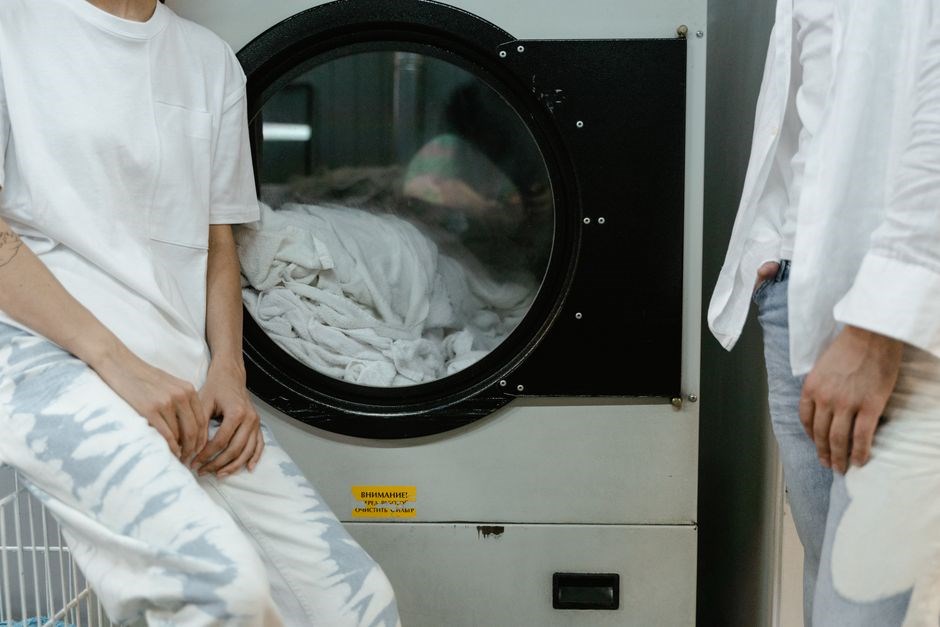
Before operating Bosch Serie 6 tumble dryer readthis safety section carefully․ The appliance must be placed on a firm, level floor and secured against tipping․ Ventilation hose should be straight, free of kinks, and not exceed the manufacturer’s length limit․ Do not block the exhaust outlet or allow lint to accumulate; a clogged vent can cause overheating and fire․ Keep the dryer at least 30 cm from any combustible material, including curtains, furniture, or storage boxes․ The unit requires a dedicated 230 V circuit with a 16 A circuit breaker․ Use only the supplied power cable and ensure the plug is fully inserted into a grounded outlet․ Never use extension cords or power strips․ When connecting the dryer, follow the wiring diagram in the installation manual and double‑check that the neutral and live wires are correctly connected․ If you are not comfortable with electrical work, call a qualified electrician․ The dryer’s control panel should be kept dry; avoid spraying water or using cleaning agents that could damage the electronics․ Do not attempt to open the housing or remove the lint filter while the dryer is powered on․ In case of a fault, unplug the unit immediately and inspect for visible damage․ Do not use the dryer if the door latch is broken or if the door does not close securely․ Keep children and pets away from the dryer during operation․ If you notice any unusual noise, vibration, or smell, stop the dryer, unplug it, and contact Bosch service․ By following these precautions, you help prevent electrical hazards, fire risks, and ensure the dryer operates safely and efficiently․
Installation
Place the dryer on a flat, stable surface․ Connect the 230 V supply using the supplied cable, ensuring the plug is inserted into a grounded outlet․ Attach the exhaust hose to the vent, keeping it straight and unclogged․ Verify the door latch works before first use․ Ifloose, stopuse! andcontact service!?!!Check wiring
Placement and Wiring
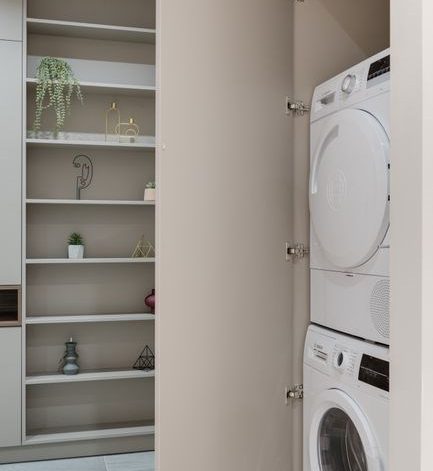
Before installing the Bosch Serie 6 tumble dryer, ensure the unit is positioned on a stable, level surface that can support its weight․ The floor should be free of cracks and unevenness; if necessary, use a padded mat or a dedicated appliance floor․ Keep the dryer at least 30 cm away from walls and any flammable materials, and ensure the door latch can close without obstruction․ The exhaust hose must be attached to the dryer’s vent outlet and routed to an external vent or window․ The hose should be as short and straight as possible; avoid kinks, bends, or any blockage that could impede airflow․ A minimum 90 mm diameter hose is recommended, and it should be secured with a clamp to prevent detachment during operation․ The external vent should be located on the outside of the building, with a vent hood that allows air to escape freely․ The dryer’s power cable must be connected to a dedicated 230 V circuit with a residual‑current device (RCD) or circuit breaker rated for at least 16 A․ Use a cable with a cross‑section of 1․5 mm² or larger, and ensure the plug is fully inserted into a grounded outlet․ The cable should be routed away from heat sources and not be exposed to moisture․ If the dryer is installed in a basement or crawlspace, verify that the area is well‑ventilated and that the exhaust hose does not come into contact with water․ Finally, after installation, test the dryer by running a short cycle to confirm that the door latch, vent, and electrical connections are functioning correctly․ If any abnormal noise or error code appears, refer to the troubleshooting section or contact Bosch support․ Proper placement and wiring are essential for safe operation and optimal drying performance․
The dryer’s internal lint filter should be cleaned after every cycle to maintain airflow and prevent fire hazards․ Additionally, the appliance should be installed in a location where the temperature does not exceed 45 °C, as excessive heat can damage the motor and electronic components․ If the dryer is placed near a heating vent or radiator, ensure that the venting system is not obstructed․ For users who prefer a wall‑mounted installation, a special mounting kit is available, but it must be installed by a qualified electrician to meet local electrical codes․ Always check the local building regulations before proceeding․ The installation manual provides a detailed wiring diagram that matches the specific model; following it precisely will prevent electrical faults and ensure the dryer’s safety features, such as the overload protection, function correctly․ After installation, label the circuit breaker for easy identification in case of future maintenance or troubleshooting․
Remember that the dryer’s ventilation system is designed to expel hot, moist air; failing to provide adequate ventilation can lead to condensation buildup and mold growth inside the appliance․ By adhering to these placement and wiring guidelines, you ensure not only compliance with safety standards but also prolong the lifespan of your Bosch Serie 6 tumble dryer․
Operating Instructions
Load the dryer with balanced weight, close the door, select the desired cycle, and press start․ Monitor the drying process via the display, and pause or stop if needed․ After completion, open the door to release steam and prevent lint buildup․ Use the timer for energy savings and check․!
Control Panel Overview
The control panel of the Bosch Serie 6 tumble dryer is designed for intuitive use․ The main power switch is at the top; turn it on before accessing other functions․ A digital display shows the selected cycle, remaining time, and temperature․ Large, clearly labeled buttons include Start/Stop, Cycle Select, Time, Temperature, and Drying Mode․ Each button illuminates when active, providing visual feedback․ The Cycle Select button scrolls through programs such as Cotton, Synthetics, Delicates, Wool, and Quick Dry․ The Drying Mode offers Eco, Comfort, and Anti‑Pilling settings, adjusting intensity and duration․ The Temperature button fine‑tunes heat level, while the Time button adds extra minutes․ A Child Lock disables all buttons except the power switch․ A Fault Indicator light appears on the display if a malfunction is detected, showing an error code․ The Settings menu lets you adjust language and brightness․ An LED indicator next to the power switch turns green when ready, and a red light flashes if the door is not closed, ensuring safe operation․ Pressing Start/Stop twice resets the timer adjust time!
During operation, the panel displays progress now and estimated time!! The LED next to the power switch turns green when ready; a red light flashes if the door is not closed․ The Timer Reset function resets the timer to zero by pressing Start/Stop twice quickly․ Select Quiet Mode to reduce noise․ These features ensure safety and efficiency․
Cycle Options and Settings
When you start the Bosch Serie 6 tumble dryer, first step is selecting appropriate cycle for your laundry load․ The dryer offers a comprehensive selection of programs, each engineered to match fabric type, moisture level, and desired finish․ The Cotton cycle delivers high heat and a longer tumble time, ideal for heavy, absorbent fabrics such as towels and jeans․ The Synthetics program uses lower temperatures and a gentler tumble to preserve delicate polyester blends, preventing shrinkage and maintaining shape․ For wool and other natural fibers, the Wool setting reduces heat to a safe level while still providing adequate drying time, and the Delicates cycle further minimizes heat and agitation for items like lace or silk․ Energy-conscious users can opt for the Eco mode, which extends cycle duration slightly to reduce power consumption while still achieving a thorough dry․ The Anti‑Pilling setting is designed to reduce fabric wear by limiting tumble intensity and heat, extending life of your clothes․ For odor removal without heat, the Air Fluff feature circulates air to freshen items․ The Temperature button allows you to set a maximum heat level, ensuring dryer does not exceed a specified temperature․ The Time button adds extra minutes to cycle if you need longer drying period․ The Drying Mode selector toggles between Comfort, Eco, and Quick, each adjusting drying intensity and cycle duration․ The Auto function senses load weight and selects optimal cycle․ All settings displayed on digital panel, and dryer will pause if door opened during operation․ The Reset button clears any previous settings and restores factory defaults, ensuring clean slate for each new load!!
Maintenance and Cleaning
Regularly clean the lint filter after each use, vacuum the vent hose weekly to prevent blockage․ Inspect door seal for tears and replace if necessary․ Keep the dryer’s exterior free of dust, and wipe down the control panel with a damp cloth․ Follow Bosch guidelines for safe maintenance․
Cleaning the Lint Filter
After each drying cycle, remove the lint filter by pulling it out from the front door panel․ Gently shake the filter to dislodge loose lint, then rinse it under running water․ Use a soft brush to remove any stubborn debris from the mesh․ Avoid using harsh chemicals or abrasive tools that could damage the filter․ Once clean, dry the filter thoroughly with a clean cloth or let it air‑dry before reinserting․ Ensure the filter is seated correctly to maintain optimal airflow and prevent overheating․ For best performance, clean the lint filter at least once a week, or more frequently if you dry heavily soiled items․ If you notice a buildup of lint in the filter housing, use a vacuum or a brush to clear the vent path․ Never block the filter opening or use a makeshift cover, as this can lead to fire hazards․ Keep a small brush or vacuum attachment handy for quick clean‑ups of lint that may accumulate in the filter housing or vent during normal operation․ Inspect the filter for cracks before use; damaged filters can compromise drying efficiency and safety․ Document each cleaning session in a log noting date observations to track filter performance schedule replacements․ For optimal drying, inspect the lint filter for wear or damage before each use; a compromised filter can reduce airflow, increase drying time, and raise energy use․ Regular cleaning prevents lint buildup that could ignite, and prolongs dryer life․ If cracks, tears, or a thick lint layer remain after brushing, replace the filter immediately․ Record each cleaning date and observations in a maintenance log to track performance soon․
Troubleshooting
When the dryer fails to start, check the power supply and ensure the door is fully closed․ If the motor runs but clothes remain damp, inspect the lint filter and vent hose for blockages․ A flashing error code indicates a sensor fault; consult the manual for specific codes and reset procedures․ Check blockages․
Common Error Codes
Below is a concise reference for the most frequently encountered error codes on the Bosch Serie 6 tumble dryer․ Each code is followed by a brief explanation and a recommended action․ If the error persists after following the suggested steps, contact Bosch service support for further assistance․
- E01 – Door sensor fault․ Check that the door latch is fully engaged and that no foreign objects are obstructing the sensor․ Re‑close the door and restart the cycle․
- E02 – Door sensor fault․ Check that the door latch is fully engaged and that no foreign objects are obstructing the sensor․ Re‑close the door and restart the cycle․
- E03 – Door sensor fault․ Check that the door latch is fully engaged and that no foreign objects are obstructing the sensor․ Re‑close the door and restart the cycle․
- E04 – Door sensor fault․ Check that the door latch is fully engaged and that no foreign objects are obstructing the sensor․ Re‑close the door and restart the cycle․
- E05 – Door sensor fault․ Check that the door latch is fully engaged and that no foreign objects are obstructing the sensor․ Re‑close the door and restart the cycle․
For troubleshooting, refer to the Bosch online support portal or contact customer service for assistance․Help
Warranty and Registration
Register your Bosch Serie 6 tumble dryer online at Bosch‑Home․com within 30 days of purchase to activate the 2‑year warranty․ Use the serial number and receipt․ After registration you’ll receive confirmation and access to support resources․ For help, contact Bosch support․
Registering on MyBosch
To activate the full warranty and access exclusive support, register your Bosch Serie 6 tumble dryer on the MyBosch portal․ Visit https://www․bosch-home․com and log in or create a new account․ Once logged in, click “Add product” and enter the model number (e․g․, WPG23108GB) and serial number found on the appliance’s label․ Follow the on‑screen prompts to confirm the purchase date and location․ After successful registration, you’ll receive a confirmation email and the ability to view maintenance schedules, download firmware updates, and request service appointments directly․ If you encounter any issues, use the live chat or call the Bosch customer support line for assistance․ Registering early ensures you receive timely updates and keeps your warranty valid for the full coverage period․
By registering, you gain access to the Bosch Smart Home app, allowing you to monitor dryer status, receive notifications when cycles complete, and schedule maintenance remotely․ The app also provides troubleshooting tips and firmware update alerts to keep your dryer running efficiently․ Additionally, registered users can participate in Bosch community forums, share tips, and receive exclusive offers on accessories and service plans․ If you need to update your device’s firmware, simply log into the MyBosch portal, navigate to the “Firmware” section, and follow the prompts to download and install the latest version․ This ensures optimal performance and extends the life of your appliance․ Registering early also entitles you to extended warranty coverage in certain regions, providing peace of mind and protection against unexpected repairs․!!!